Search for:
Seasonal Pest Control Calendar Built for the Texas Hill Country Climate

Seasonal Pest Control Calendar Built for the Texas Hill Country Climate

Hill Country weather swings from mild winters to blazing summers, and the bugs, rodents, and arachnids around your home change their habits right along with it. A treatment that works perfectly in April may do very little in August, simply because the pests causing trouble have shifted. Homeowners comparing pest control boerne tx options get the best results when they think in seasons rather than single visits. Planning lets you stop problems before they move indoors, instead of reacting once they’re already settled. The calendar below breaks the year into practical stages based on how local pests actually behave.

Spring Brings Swarms and Mounds

As temperatures climb in March and April, many pests wake up at once. Subterranean termites send out winged swarmers after warm rains, fire ant mounds multiply across lawns, and mosquitoes begin breeding in standing water. This is the most important window for prevention, because treating early limits how large colonies grow by summer.

  • Broadcast fire ant bait across lawns once soil warms up.
  • Watch windowsills for discarded termite wings after rain.
  • Empty birdbaths, buckets and plant saucers every few days.
  • Schedule an annual termite inspection before peak swarm season.

Summer Heat Pushes Pests Indoors

Long stretches above 95 degrees drive scorpions, roaches, and ants inside looking for moisture and shade. Wasps build nests under eaves, while mosquitoes stay active on humid evenings. Sealing the home and reducing outdoor water sources become the main priorities during these months.

  • Check door sweeps and weatherstripping for gaps.
  • Use a blacklight at night to spot hidden scorpions.
  • Remove small wasp nests early before colonies grow.
  • Fix leaking outdoor faucets that attract thirsty insects.

pest control boerne tx

Fall Is the Second Treatment Window

Cooler September and October temperatures bring a burst of activity similar to spring. Fire ants forage heavily again, making this the ideal time for a second round of bait. Rodents also start scouting for warm shelter, so fall is when many homeowners book pest control boerne tx services to strengthen exterior defenses before winter.

  • Apply a second fire ant bait treatment in early fall.
  • Seal openings larger than a dime to block mice.
  • Trim branches touching the roof to cut rodent access.
  • Clear leaf piles that shelter spiders and other insects.

Winter Focuses on Rodents and Repairs

Hill Country winters stay fairly mild, yet cold snaps send mice and rats into attics, garages, and wall spaces. Fewer insects are active outdoors, which makes this a good season to inspect, repair, and prepare for the year ahead.

  • Set snap traps in attics or garages showing droppings.
  • Store pantry items in sealed containers.
  • Inspect crawl spaces for moisture or termite mud tubes.
  • Repair damaged screens and vents before spring arrives.

Year-Round Habits That Support Every Season

Some steps help no matter what month it is. Ticks stay active from spring through fall in wooded areas, and moisture problems attract pests all year. A few simple routines keep your property less inviting across every season.

  • Keep firewood stacked away from exterior walls.
  • Maintain a gap between mulch and the foundation.
  • Book quarterly professional service for steady protection.
  • Keep a simple log of sightings to spot recurring problems.

Following a seasonal plan turns pest control from a series of emergencies into a steady routine. By matching each step to how local pests behave throughout the year, homeowners can protect their property, reduce surprises, and enjoy the Hill Country climate with far fewer unwanted guests.
The Rubber Ducky Isopods Transforming Modern Vivariums Into Eye-Catching Living Displays

The Rubber Ducky Isopods Transforming Modern Vivariums Into Eye-Catching Living Displays

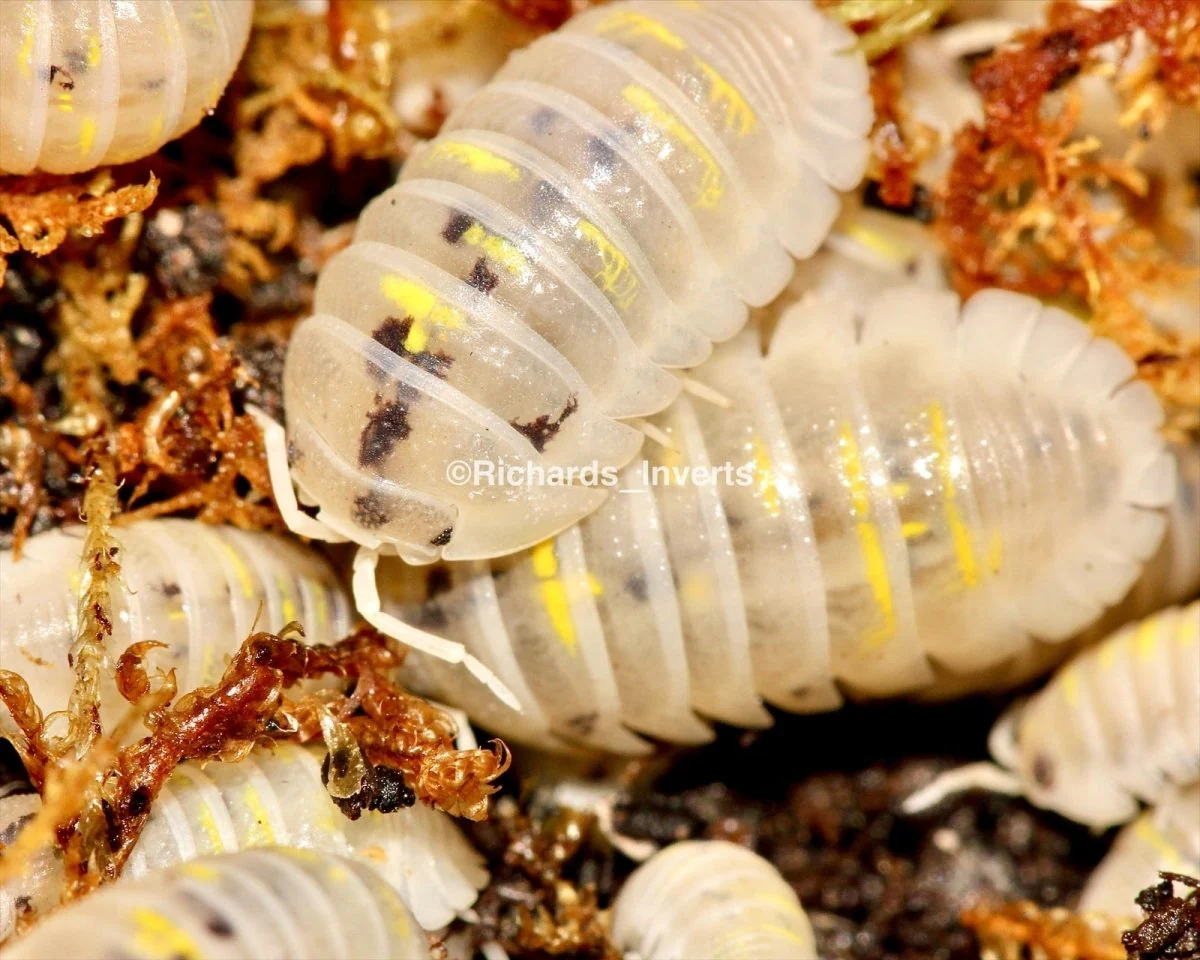
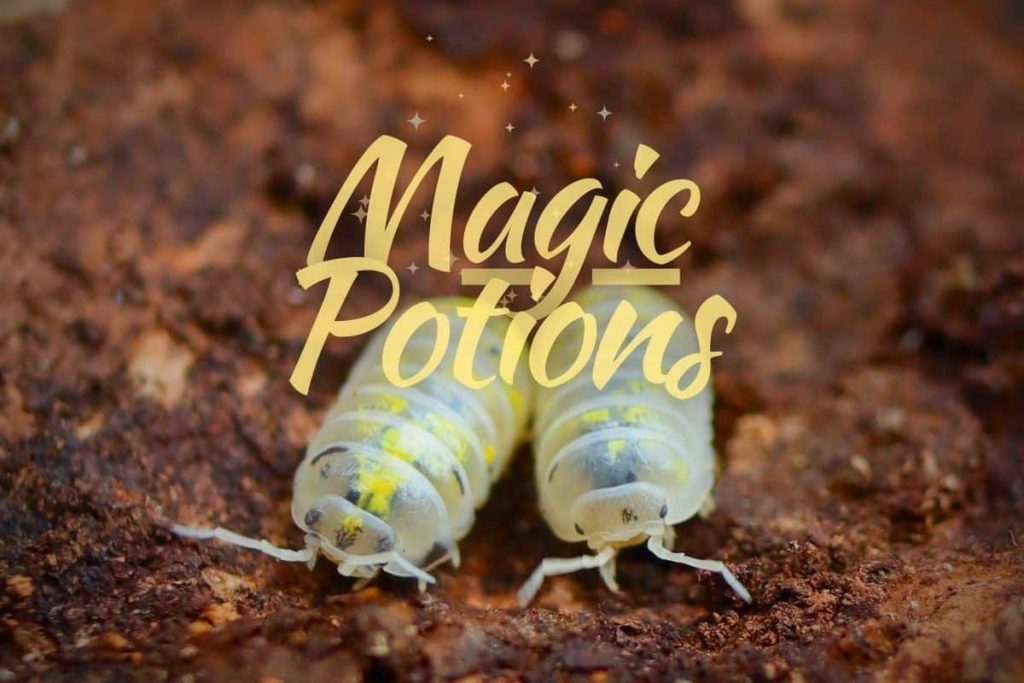
Gentle movement inside planted glass spaces often changes the entire appearance of enclosed habitats. Tiny creatures moving beneath moss layers create active scenes across damp surfaces every day. Soft ground activity supports cleaner surroundings while adding visible motion inside planted setups. Collectors now observe stronger visual depth through natural crawling patterns below leaves, plus wood sections. Decorative habitats continue gaining attention because small organisms help maintain balanced enclosure conditions naturally. Among popular varieties dairy cow isopods remain widely noticed for their striking surface markings plus steady underground behaviour.

Moist Surface Patterns Across Enclosed Spaces

Damp enclosure layers appear more active through continuous underground movement beneath decorative materials. Tiny crawling species support cleaner surroundings while improving visual depth naturally. Ground sections remain balanced because small organisms slowly process organic remains beneath moss coverings. Plant arrangements also appear fuller when surface activity continues across shaded enclosure corners.

Gentle Crawling Beneath Decorative Plant Layers

Quiet underground motion creates subtle movement throughout planted display setups every day. Soft substrate sections remain loose because tiny organisms continue shifting lower enclosure layers slowly. Decorative habitats gain natural rhythm through steady crawling beneath wood sections plus leaf coverings. Small habitat species also help maintain cleaner surroundings without disturbing planted arrangements.

dairy cow isopods

Tiny Habitat Motion Supporting Visual Depth

Steady movement below decorative layers creates stronger enclosure balance naturally. Tiny crawling activity supports cleaner surroundings across planted habitat sections.

  • Moist enclosure corners remain active through regular underground surface movement daily
  • Decorative leaf sections appear balanced from quiet crawling beneath shaded coverings
  • Soft substrate layers stay loose through continuous lower ground shifting activity
  • Tiny organisms reduce unwanted surface buildup across the planted enclosure surroundings gradually
  • Glass habitat interiors gain natural rhythm from steady crawling behaviour underneath
  • Decorative wood sections maintain cleaner surroundings through constant underground movement patterns
  • Moss-covered corners appear fuller through active dairy cow isopods below surfaces
  • Small habitat creatures support a stable enclosure structure across damp substrate sections

Balanced habitat appearance improves through regular underground cleaning activity.

Calm Activity Within Closed Habitat Spaces

Planted enclosure setups often depend on quiet movement beneath visible decorative layers. Tiny species support healthier substrate conditions through steady underground motion every day. Decorative surfaces remain cleaner because organic remains break down gradually over longer periods. Soft enclosure corners also maintain stable moisture through regular lower-layer activity.

What Makes Small Habitat Species Visually Noticeable?

Tiny crawling organisms attract attention because movement appears natural across planted surfaces. Decorative enclosures gain a stronger visual structure through steady underground behaviour beneath moss coverings.

Soft ground activity also creates realistic enclosure conditions across damp substrate layers. Gentle motion helps planted spaces appear more balanced during daily habitat observation.

Soft Ground Motion Supporting Stability

Lower enclosure layers remain balanced because tiny organisms continue moving beneath decorative surfaces. Quiet habitat activity also supports cleaner substrate conditions over longer periods. Small species help maintain stable surroundings without affecting planted arrangements visually.

Common Questions Around Habitat Care

  • How often should the damp substrate receive moisture support inside planted enclosures?Stable moisture levels help underground movement continue naturally.
  • Which enclosure areas attract small crawling species most frequently?Shaded moss sections usually support stronger underground activity patterns.
  • Do tiny organisms disturb decorative plant arrangements during movement?Most species remain below visible surfaces throughout daily enclosure cycles.

Quiet Habitat Balance Through Natural Movement

Small underground creatures support cleaner surroundings while improving the enclosure structure gradually. Decorative setups remain visually balanced because steady surface activity continues beneath plant coverings plus substrate layers. Consistent habitat care depends more on stable moisture plus proper enclosure conditions than perfect arrangement choices. Natural movement patterns continue shaping realistic planted displays through simple daily underground behaviour.