
Peptide Choices Become Clearer When Benefits Are Matched To Goals
Peptide choices become easier when the desired result comes first. Skin texture, recovery needs, and body goals require different priorities. A Plastic Surgery Key perspective keeps those aims tied to suitable benefits. From there, each option can be judged through purpose, timing, and personal context. That approach also keeps expectations grounded before any treatment decision begins.
Skin goals shape the starting point
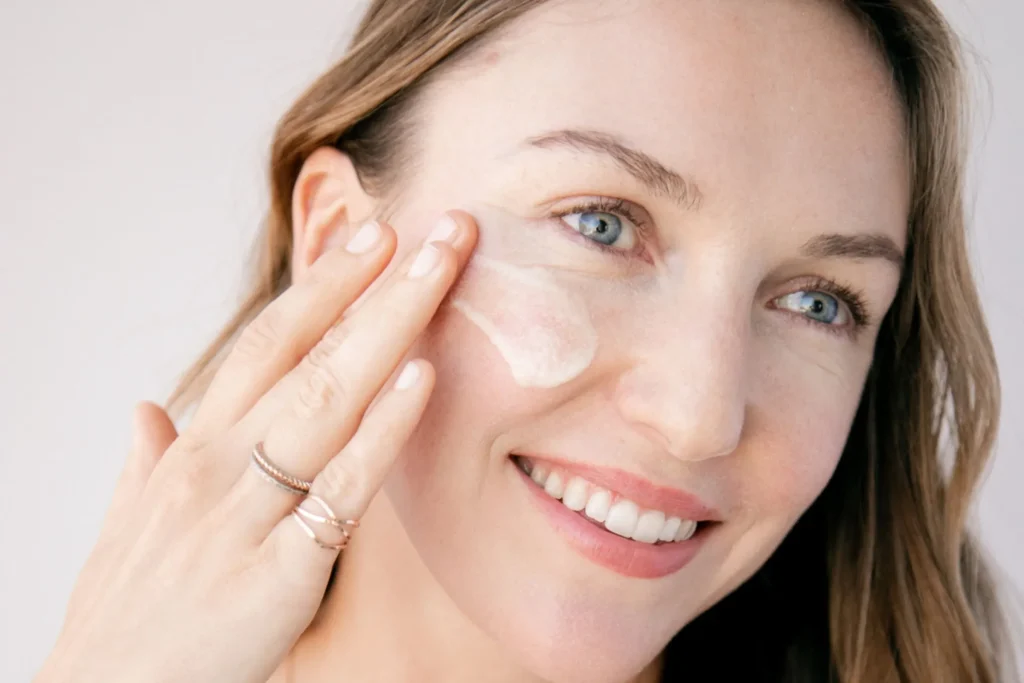
When appearance drives interest, skin quality becomes central. Firmness, texture, and surface renewal may guide consideration. Each aim calls for a different benefit profile. For example, someone seeking smoother texture needs different priorities than someone focused on firmness.
- Texture concerns call for focused skin support.
- Firmness goals need a separate benefit profile.
- Surface changes require patient expectations.
- Personal history still affects suitable choices.
Recovery needs change the priorities
Recovery creates another decision path. Tissue support can matter after certain procedures or physical strain. However, recovery needs depend upon timing and individual circumstances. A Plastic Surgery Key approach can help connect treatment aims with sensible expectations, rather than treating every peptide as interchangeable.
Which choices suit body goals?
Body-composition aims require careful attention to purpose. Appetite control, metabolic support, and weight management involve broader considerations. Therefore, cosmetic expectations should not determine every choice. A person seeking body changes may need a different evaluation from someone seeking skin refinement.
- Appetite goals require specific outcome measures.
- Weight targets need realistic personal benchmarks.
- Metabolic aims involve wider health factors.
- Existing treatments may influence suitability.
Personal context can change decisions
A promising benefit does not guarantee suitability. Medical history, current treatments, and recovery demands can alter the picture. That context matters because physiological responses differ between individuals. Before selecting an option, a qualified professional can review relevant risks and practical concerns.
Rather than chasing popular choices, a person can compare needs first. This creates a clearer path toward informed discussion.
What makes one benefit more relevant?
Relevance depends upon the result being pursued. A skin-focused option may hold little value for recovery needs. Conversely, a recovery-oriented choice may not address cosmetic priorities. The distinction becomes useful when benefits are viewed through actual goals.
- Define the desired change before comparing options.
- Consider timing alongside the intended benefit.
- Review administration needs before proceeding.
- Reassess expectations when circumstances change.
Clear goals make choices more useful
The strongest decision often begins with one specific question. What result should the treatment support? Once that point becomes clear, unnecessary options lose importance. A skin concern, recovery target, or body goal then gains its own evaluation path.That shift has a practical effect. Instead of comparing peptide names, the person compares purposes. The decision becomes less about finding a universal choice. It becomes about finding the most relevant role.
