Environmental Due Diligence Strategies For California Commercial Real Estate Developers
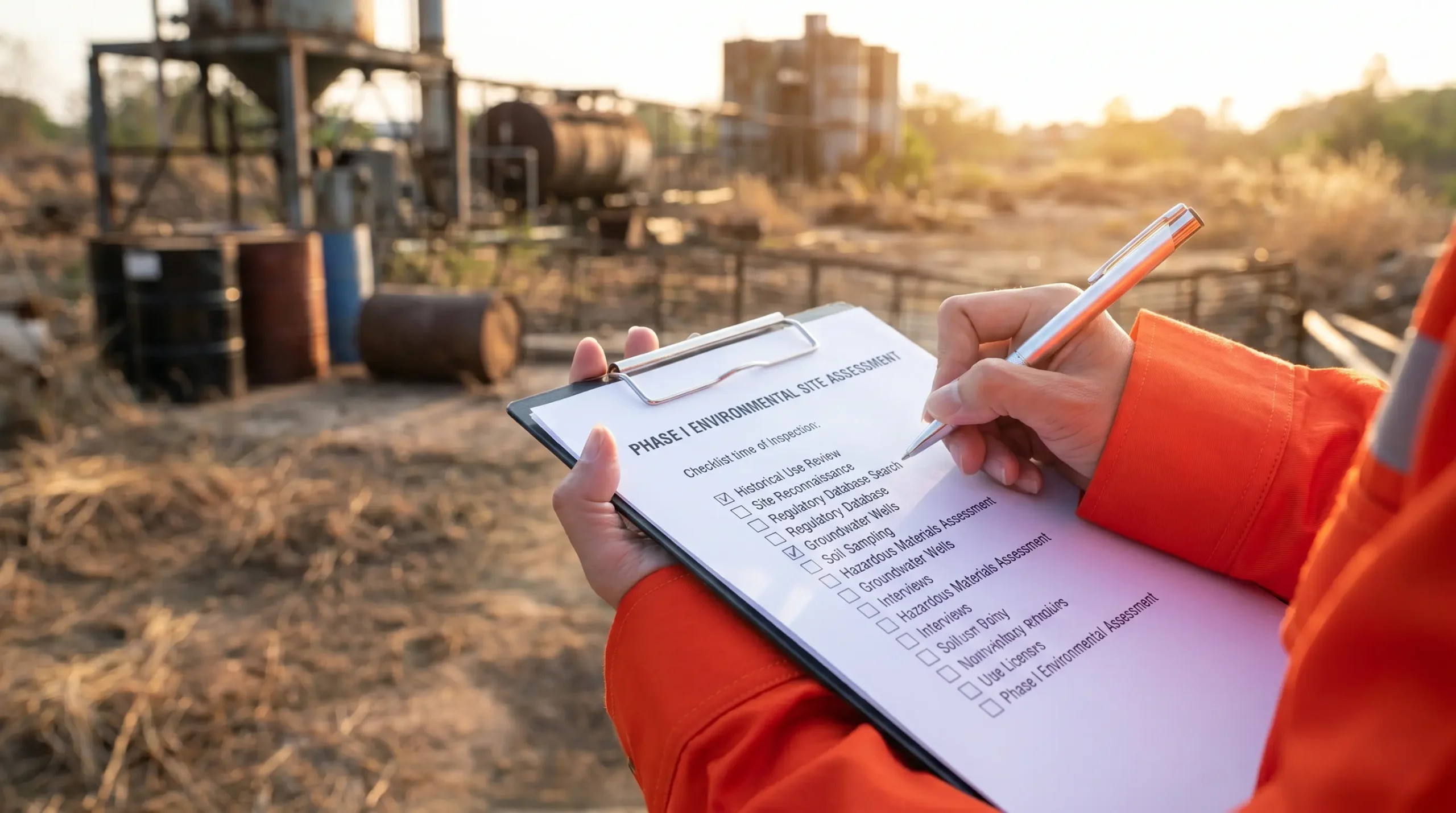
Commercial property development requires careful planning before any purchase or construction begins. Earlier land uses can leave behind harmful substances that affect future building activities. Developers must understand possible environmental concerns before making financial commitments. A clear review of existing property conditions helps prevent unexpected expenses and supports responsible project decisions. Careful record checks and professional inspections also provide useful information about land suitability. By taking suitable precautions at every stage, property owners can protect their investments while meeting applicable environmental requirements and maintaining long-term project value.
Assessing Detailed Testing Requirements Carefully
When initial findings indicate possible contamination, further investigation may become necessary. Developers should understand sampling methods and testing objectives before approving additional professional work. Detailed assessments can identify affected materials and help determine suitable next steps. Those seeking practical guidance can learn more about phase II environmental site assessments before selecting appropriate investigation procedures for their property.
Identifying Potential Environmental Concerns
Some properties may contain harmful materials from previous industrial or commercial activities. Recognising these concerns early allows developers to arrange suitable inspections before proceeding with financial commitments.
Conducting Initial Site Assessments
An initial assessment helps determine whether further investigation is necessary. Qualified professionals review available documents and inspect visible property conditions to identify possible environmental concerns.
Examining Soil And Groundwater Conditions
Soil and groundwater checks provide useful information about substances that may affect future development. Testing helps identify contamination that cannot always be detected through visual inspections.
Understanding Regulatory Compliance Requirements
Property owners must understand applicable environmental regulations before beginning construction. Following relevant requirements helps reduce legal difficulties and supports responsible decisions throughout the development process.
Evaluating Previous Industrial Activities
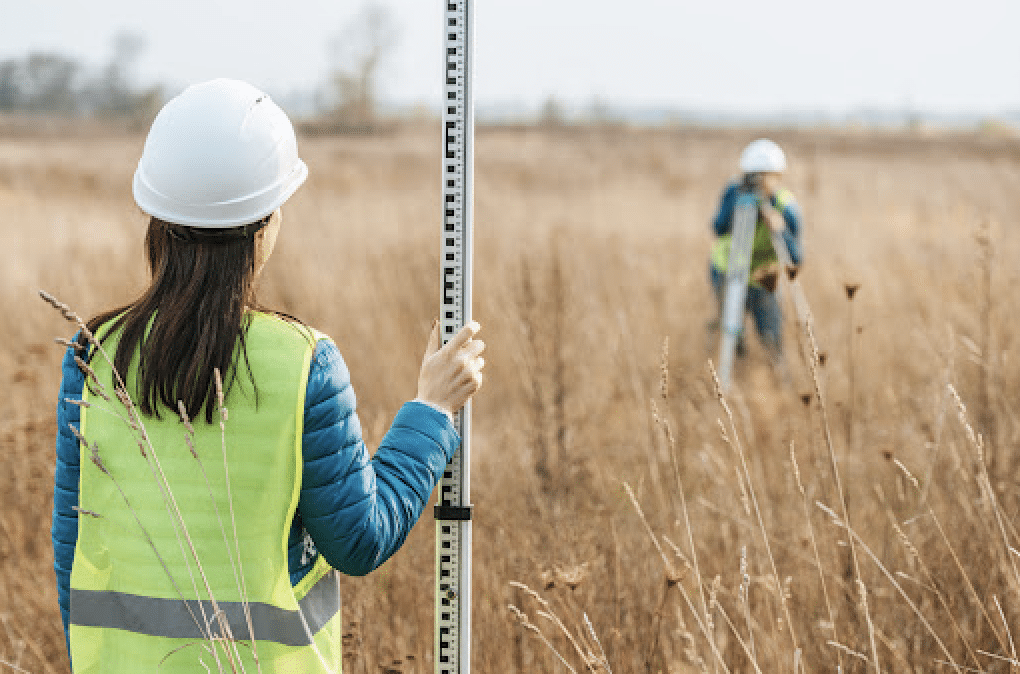
Previous manufacturing or storage activities may have affected the surrounding ground. Reviewing historical operations helps identify possible contamination sources and determines whether additional testing is appropriate.
Planning Appropriate Investigation Procedures
A clear investigation plan ensures that important areas receive proper attention. Professionals establish testing requirements based on historical records and initial findings before conducting further examinations.
Planning Suitable Environmental Risk Controls
Identified concerns require suitable management measures before development continues. Professionals can recommend corrective actions based on testing results and relevant regulatory requirements. Developers should consider financial provisions and project schedules when reviewing these recommendations. Those wishing to can better understand how detailed findings support informed property decisions.
Successful development depends on reliable information before major financial commitments are made. Developers should arrange professional assessments and review findings before approving construction. Combining historical research with suitable testing helps identify potential concerns at an early stage. A structured management plan can address identified issues while supporting regulatory compliance. Taking these practical steps protects financial interests and creates a stronger foundation for responsible commercial property development.
